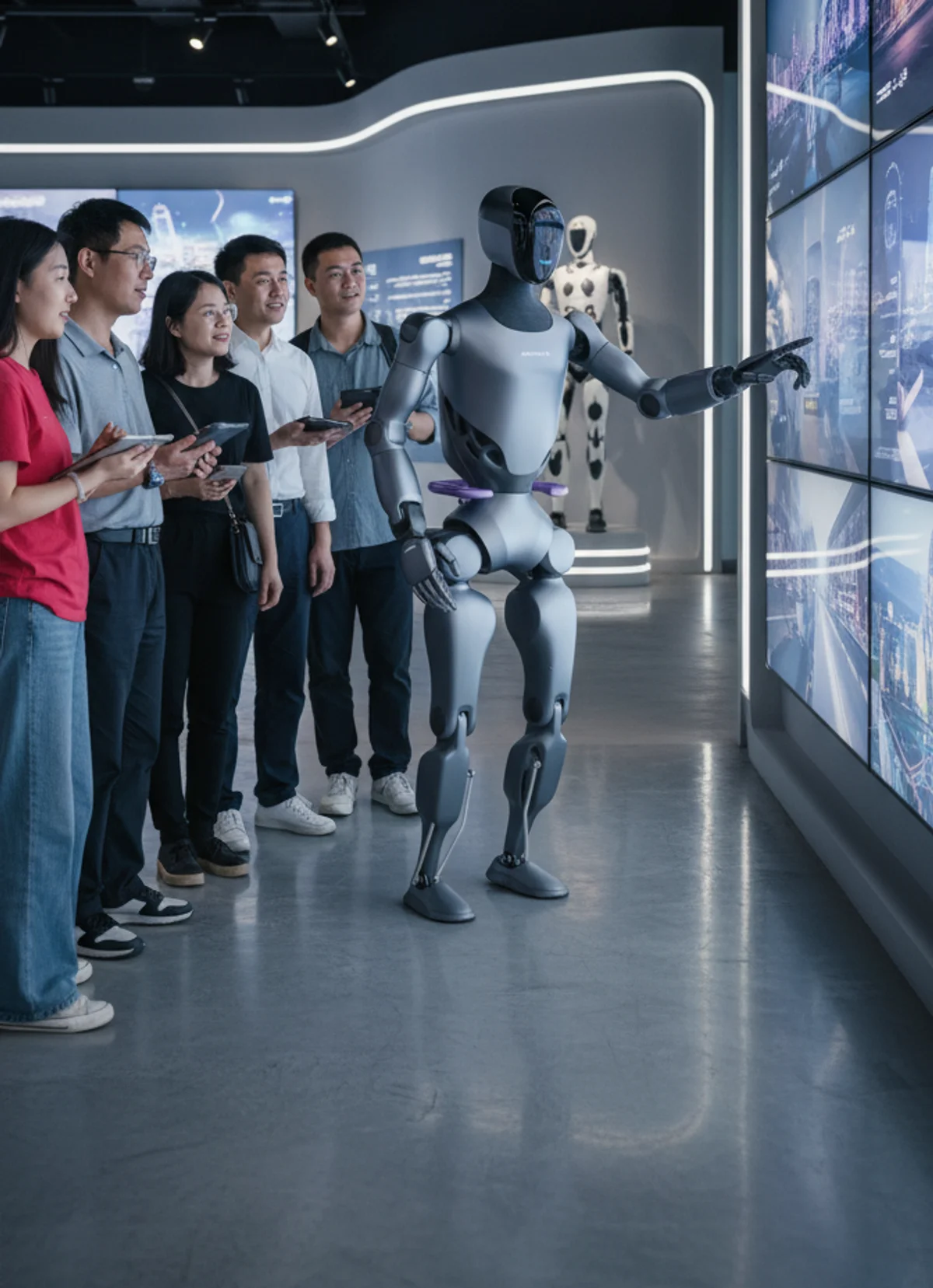
Connect the body so evolution has a runtime
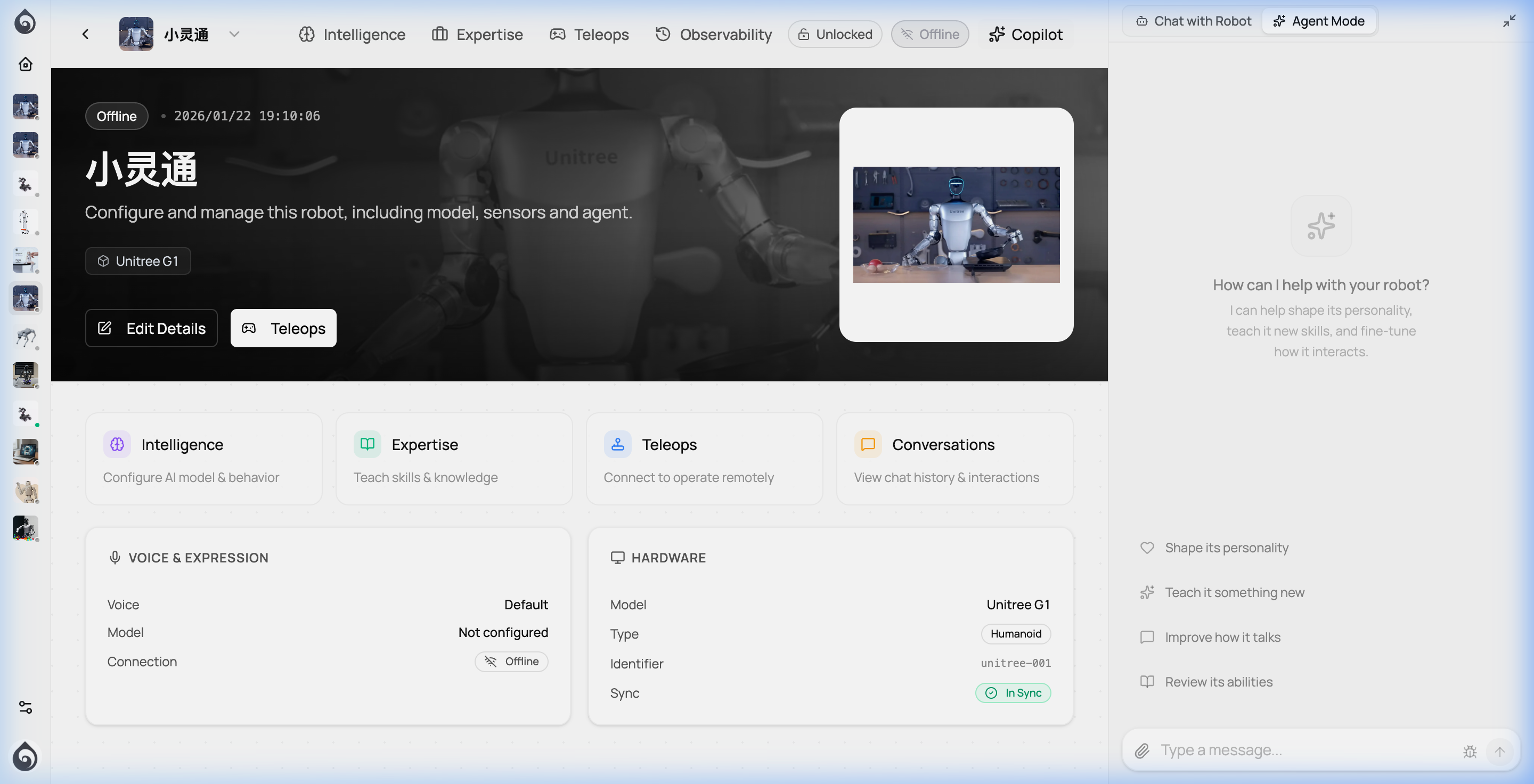
Bring validated robot bodies into one cloud platform so every self-evolving capability has stable device status, version control, training release, and fleet operations underneath it.


These are not isolated features. They form one self-evolving chain: connect the robot body, capture realtime interaction, cultivate behavior continuously, and close the operational loop.
Bring validated robot bodies into one cloud platform so every self-evolving capability has stable device status, version control, training release, and fleet operations underneath it.


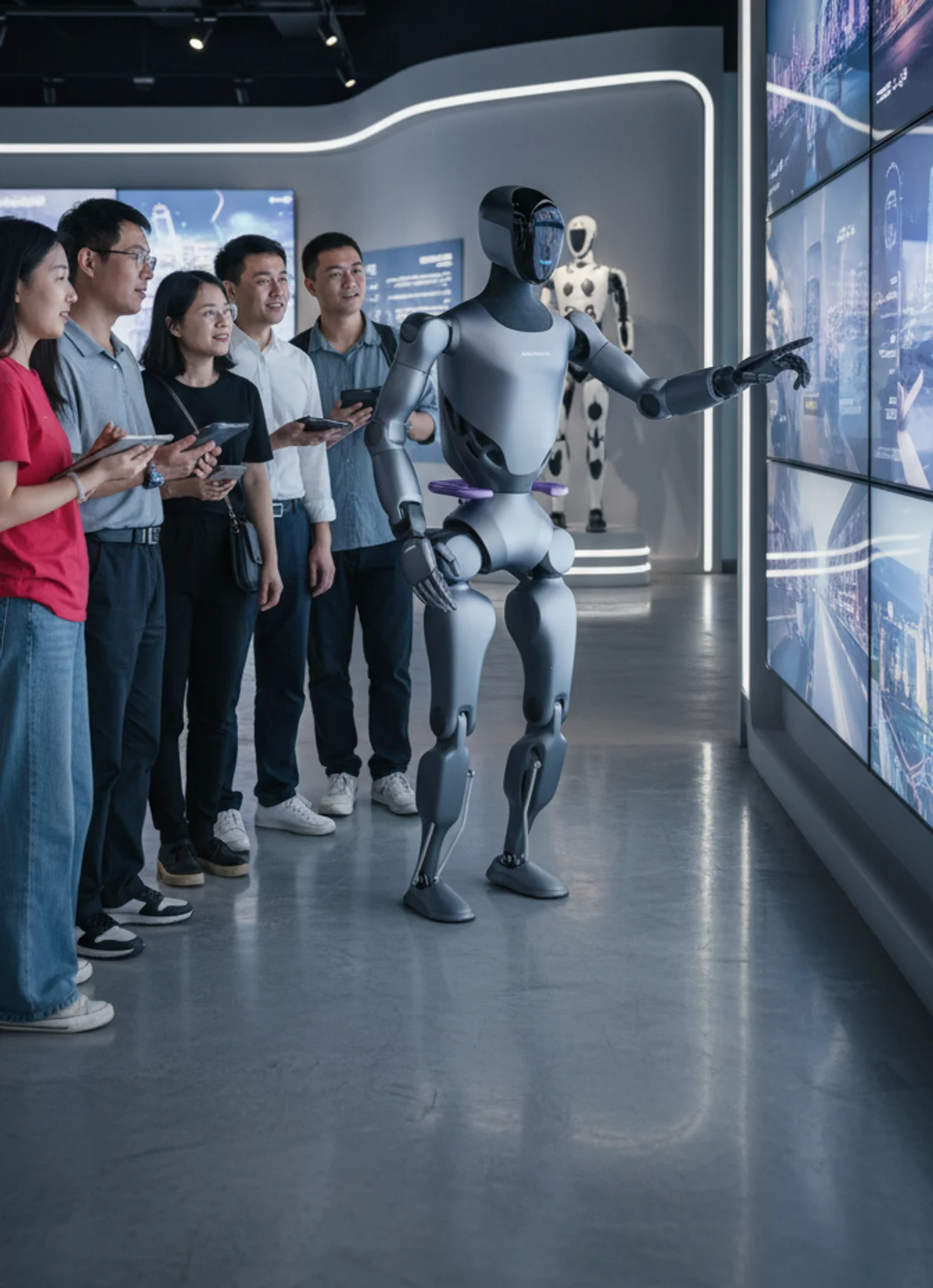
Stardust captures the live signals self-evolving robots need: speaker changes, interruptions, context shifts, local perception, and motion feedback in noisy real-world environments.
A dedicated cultivation flow turns one-off tuning into stable long-term learning across personality, memory, skills, and etiquette.
Self-evolving behavior only works when live problems become diagnosed fixes, published changes, and verified improvements in the next real role.

From memory and perception to skills, safety, and multi-model routing, Ticos organizes the capabilities robots need to keep improving after deployment.
Stardust 5.0 provides flexible personality APIs, letting developers easily configure emotional traits and language styles, making each robot a unique digital being.
Ensures precise synchronization of language output with body movements and native expressions for human-level interaction.
Fuses visual, audio, and tactile perception inputs to build complete spatial memory for the brain.
With edge computing, robots process intent and respond instantly, like human neural reflexes.
Natively supports skill mounting and dynamic orchestration, with autonomous API calls and training manual retrieval.
Native integration with major domestic and international LLMs, providing powerful backing.


Smart model selection based on task type, cost, and performance for seamless multi-model switching.
Customized model strategies for different robot scenarios, maximizing effectiveness in specific environments.
Unique adaptation layer and orchestration engine supporting parallel multi-model operation with unified API.
Avoid vendor lock-in, protect enterprise data privacy with robust security mechanisms.
Not just conversation, but memory, skill growth, and scene-aware improvement working inside real service flows.
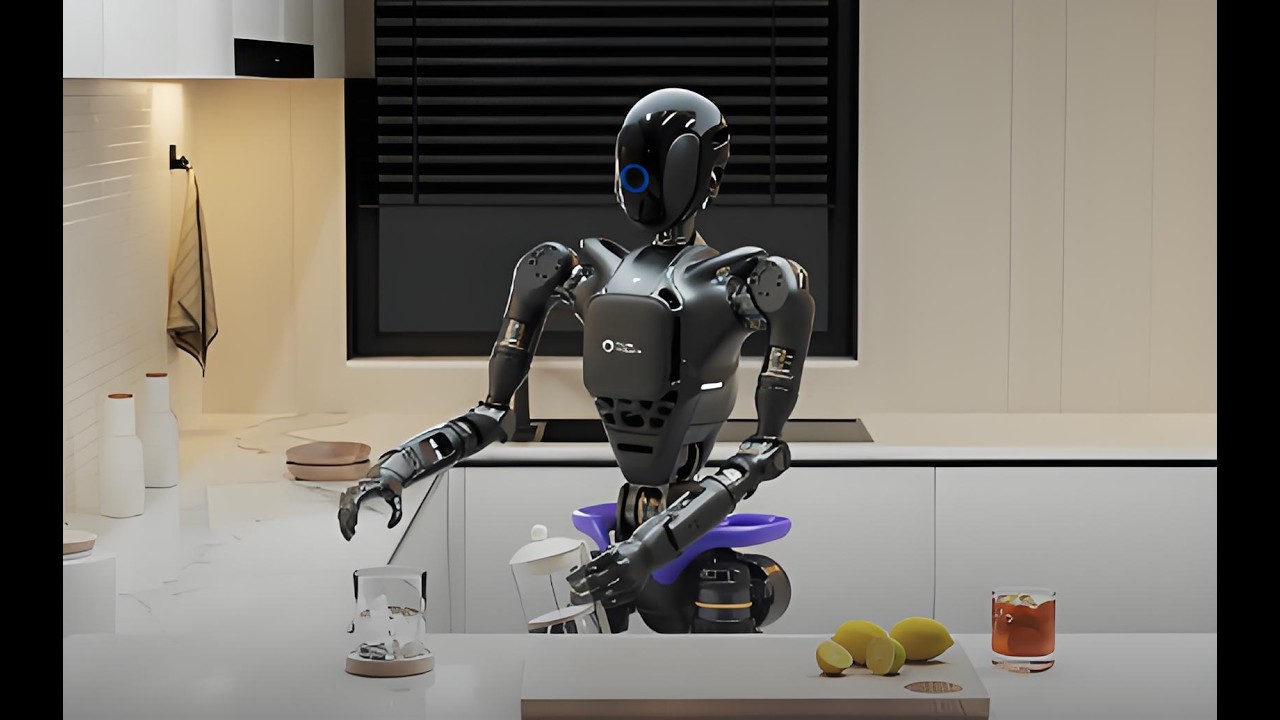
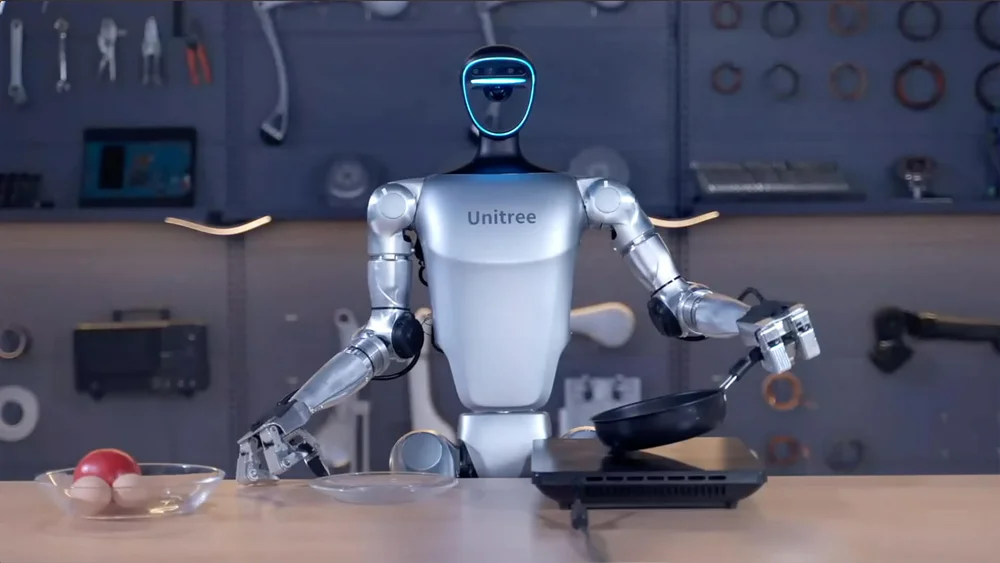
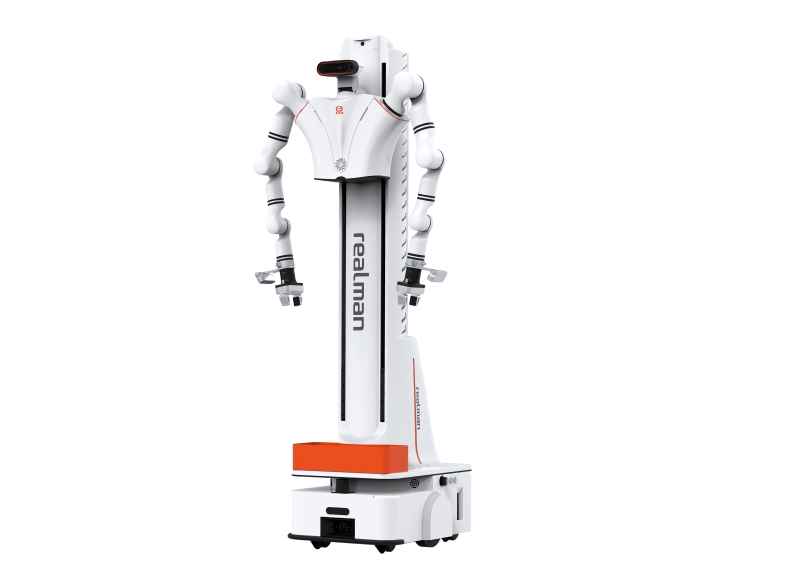
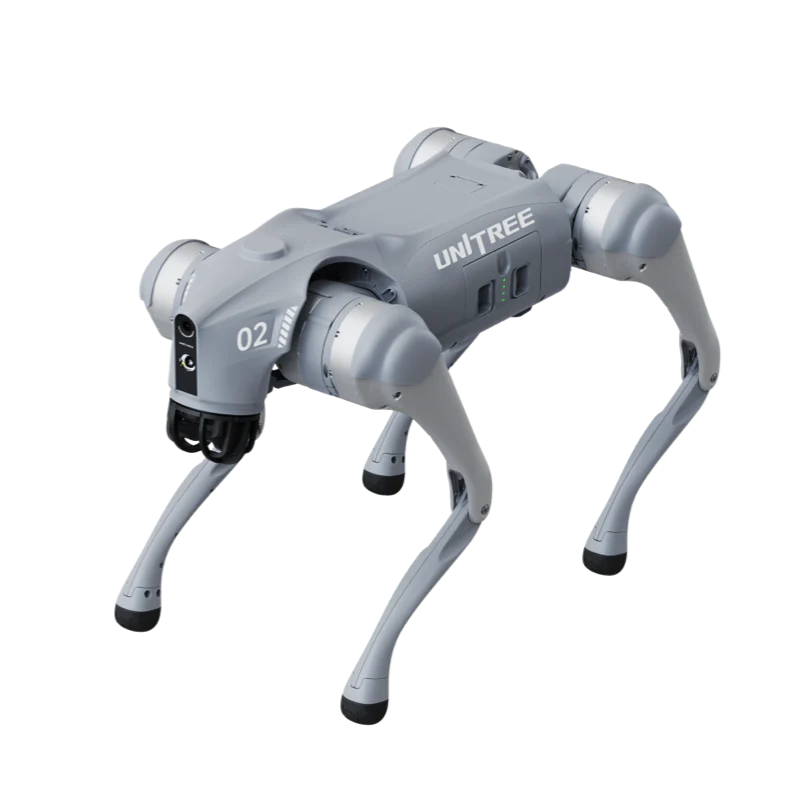
From humanoid and quadruped robots to wheeled and desktop devices, bring compute boards, perception modules, and control pipelines into one platform.
Ticos uses modular architecture to support all robot platforms. Import via URDF/MJCF to quickly adapt your hardware.
Bipedal walking humanoid robots with highly human-like motion and interaction capabilities
Stable and agile four-legged platforms for complex terrain exploration and inspection
Efficient wheeled mobile robots, widely used in logistics and service scenarios
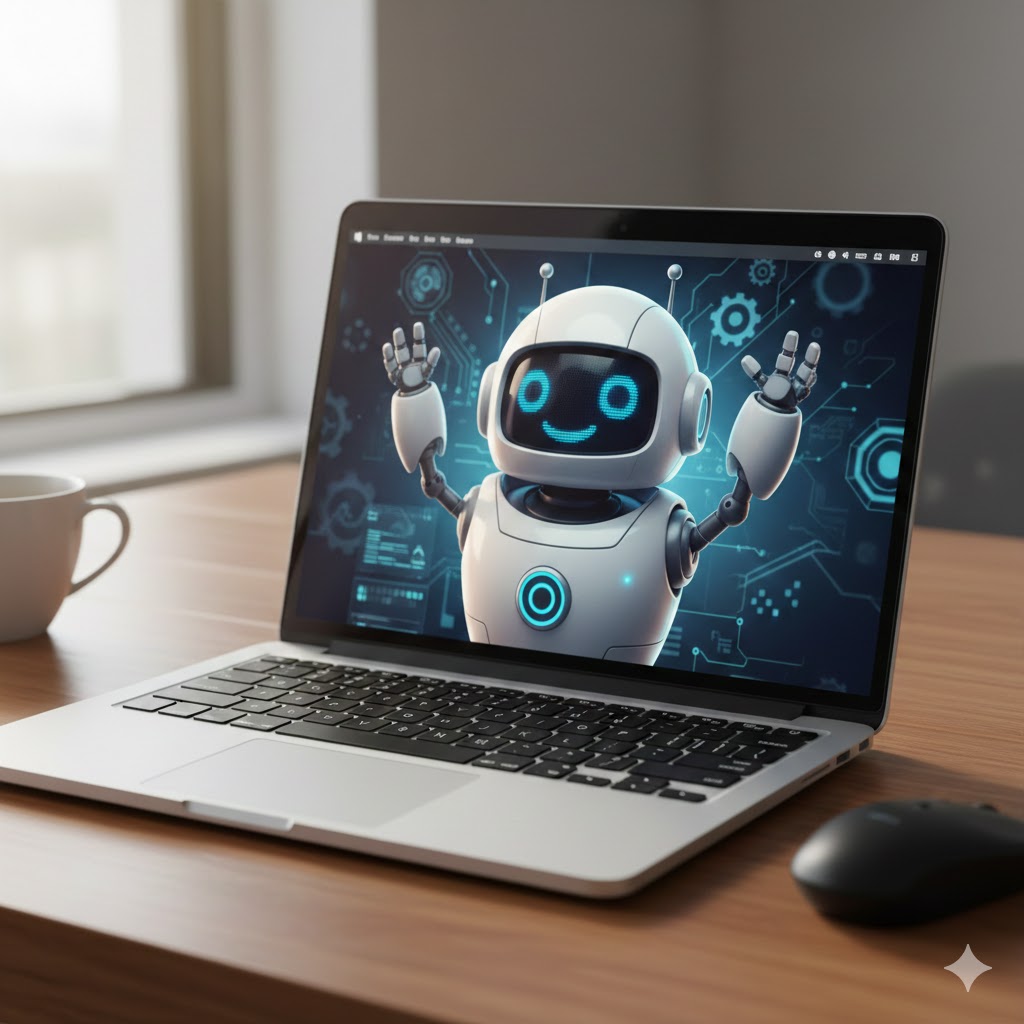
Compact desktop devices for human-machine interaction and office assistance
Can't find your robot?

NVIDIA Jetson

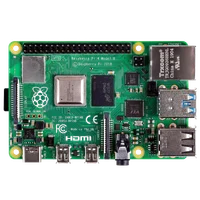
Raspberry Pi

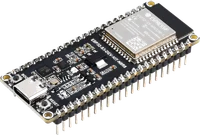
ESP32

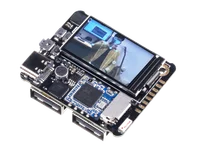
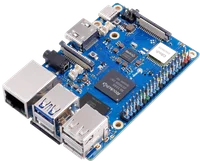
Android Board

RTK
Connect runtime, teach the role, then turn live feedback into the next safer and more useful version.
Use chat, demonstrations, replay review, configuration changes, and diagnostics to shape the robot through continuous operational feedback.
Core questions about cultivating robots for real work.
Tell us about the role, service environment, and interaction requirements, and we will help map the robot body, evolution loop, platform capabilities, and rollout plan.